

Women’s Livelihood Empowerment in Fragile
Contexts — A Knowledge Transfer Case Study in
Governance, Risk, and Resource Management
CASE STUDY
By Dr. Arif ud din, Post Doc, PhD, PMP
Islamabad, Pakistan
Abstract
This case study documents lessons from a community-based women’s livelihood and empowerment project implemented in a fragile and culturally restrictive environment. The project aimed to improve household income, food security, and women’s participation through livelihood interventions such as livestock support, poultry distribution, agricultural inputs, kitchen gardening, and cash-for-work activities. A defining strength of the project was the active involvement of women in verification, beneficiary identification, and monitoring, which increased community ownership and strengthened local relevance. At the same time, implementation exposed critical weaknesses in governance, role clarity, monitoring capacity, communication discipline, technical support, and resource planning. This case study is structured for knowledge transfer and practical application in the project management field. It highlights how participatory delivery can generate strong outcomes, but only when supported by sound governance, contextual risk management, fit-for-purpose resourcing, and disciplined execution. The findings are intended to help project managers, development practitioners, and institutions design and implement similar projects more effectively.
Keywords: Women’s empowerment, livelihood project, fragile contexts, governance, risk management, resource management, stakeholder engagement, monitoring, knowledge transfer, community development
Project Context
This case is based on rural developmental project. It reflects a project implemented to address poverty, unemployment, low household resilience, and restricted economic participation among women in a socially conservative setting. The project context included multiple operational constraints, including security concerns, political influence, cultural barriers, low literacy, limited trust in external organizations, and a male-dominant social structure.
Within this environment, the project sought to create practical livelihood opportunities for vulnerable households while also improving women’s visibility and participation in local development processes. Its delivery model relied heavily on community structures, local participation, and field-level coordination. The context made the project highly relevant, but also highly sensitive to management quality, social legitimacy, and implementation discipline.
Development Challenge
The project addressed a dual challenge. The first was economic: vulnerable families required sustainable ways to improve income, savings, food access, and resilience. The second was social: women faced structural barriers to mobility, decision-making, and participation in public and economic life. In this setting, development interventions could not succeed through technical delivery alone. They had to be accepted by communities, adapted to cultural realities, and implemented with sensitivity to power structures and trust dynamics.
More…
To read entire article, click here
How to cite this article: ud Din, A. (2026). From Project Management Diary: Women’s Livelihood Empowerment in Fragile Contexts — A Knowledge Transfer Case Study in Governance, Risk, and Resource Management, PM World Journal, Vol. XV, Issue IX, September. Available online at https://pmworldjournal.com/wp-content/uploads/2026/09/pmwj168-Sep2026-Udin-Womens-Empowerment-case-study.pdf
About the Author
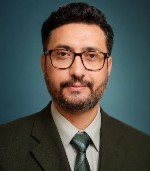
Dr. Arif ud Din
Islamabad, Pakistan

Dr. Arif ud din is a project management scholar, academic leader, and development practitioner with more than 17 years of experience across higher education, applied research, and international development programming. He is Project Management Professional (PMP) certified and also a member of Project Management Institute (PMI), USA. He currently serves as Assistant Professor at the Capital University of Science & Technology (CUST), Islamabad, and served as Visiting Postdoctoral Faculty. His career reflects a strong integration of scholarship and practice, combining university teaching, doctoral and master’s supervision, institutional leadership, and field-based project and program management.
His academic and research work focuses on the evolving frontiers of project management, with particular emphasis on Artificial Intelligence, Sustainable Project Management, Organizational Agility, Project Governance, Stakeholder Engagement, and Digital Transformation. Through these interconnected themes, his work aims to improve project performance, strengthen governance and delivery systems, and advance sustainability outcomes in both public and development-sector contexts.
As a researcher, Dr. Arif ud din has authored more than 19 peer-reviewed publications in internationally recognized journals and publishers, including Elsevier, Springer Nature, Emerald, Taylor & Francis, MDPI, and IGI Global. His research profile reflects a commitment to bridging theory and practice in project management and to generating knowledge that is relevant to both academic and practitioner communities.
Alongside his academic work, he has held several senior administrative and leadership positions in higher education, including Registrar and Director of Research & Development. These roles have strengthened his expertise in institutional governance, strategic planning, quality assurance, and organizational management. His professional background also includes substantial experience as a Project and Program Manager on major donor-funded initiatives supported by organizations such as USAID, DFID, ECHO, AusAID, and CIDA, where he contributed to the initiation, design, implementation, monitoring, and oversight of complex development programs.
He has also served as Co-Principal Investigator on a U.S. Embassy-funded higher education capacity-building project, further demonstrating his ability to lead collaborative, interdisciplinary, and internationally funded initiatives. In addition to research and project leadership, he contributes to the global scholarly community as a reviewer for leading international journals.
Dr. ud Din can be contacted at arif.hoti@gmail.com